



Can I Replace a Door Threshold Myself or Do I Need a Contractor?
A damaged, loose, or outdated door threshold can make your home look worn, create draughts, and even become a trip hazard. The good news is that replacing a door threshold is often a manageable DIY project — but not every door threshold replacement is straightforward.
So how do you know whether you can tackle it yourself or if it’s better to call in a professional contractor?
In this guide, we’ll explain:
- What a door threshold does
- When DIY replacement is realistic
- Situations where a contractor is recommended
- Tools and materials you may need
- Common mistakes to avoid
What Is a Door Threshold?
A door threshold is the strip installed at the bottom of a doorway where two flooring surfaces meet. It helps:
- Protect flooring edges
- Cover expansion gaps
- Reduce draughts
- Improve appearance
- Create a smoother transition between rooms
Thresholds are commonly made from:
- Aluminium
- PVC
- Wood-effect plastic
- Solid wood
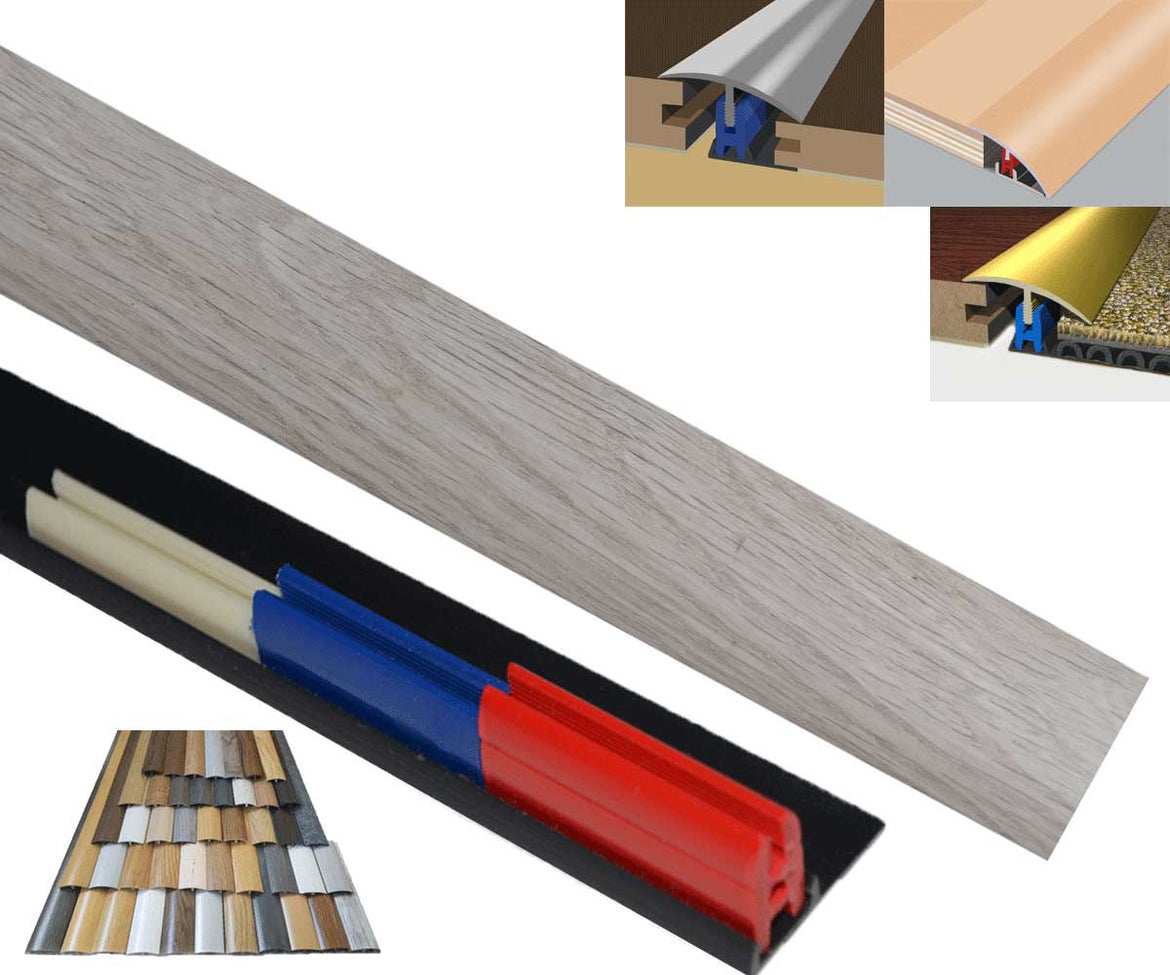
Modern systems are designed to be easier to install than older screw-fixed metal strips, with many using clip-in or self-adhesive fixing methods.
Can You Replace a Door Threshold Yourself?
In many cases, yes.
If you are reasonably confident using basic DIY tools, replacing a standard internal door threshold is usually a beginner-friendly job.
DIY threshold replacement is suitable when:
- The existing threshold is surface-mounted
- There is no subfloor damage
- Flooring levels are similar
- The new threshold uses simple fixing systems
- You only need basic cutting and measuring
Most homeowners can complete a standard threshold replacement in under an hour.
Tools You May Need
Depending on the threshold type, you may need:
- Tape measure
- Pencil
- Hacksaw or mitre saw
- Screwdriver or drill
- Adhesive or screws
- Silicone sealant
- Utility knife
Many modern thresholds can be cut to size easily and installed with minimal tools.
When You Probably Don’t Need a Contractor
1. Replacing Like-for-Like Thresholds
If you are swapping an old threshold for a similar design and size, the installation is usually straightforward.
For example:
- Replacing an old metal strip with a modern cover strip
- Updating a worn wood-effect threshold
- Installing a self-adhesive transition strip
2. Internal Doorways
Internal thresholds are generally much easier than external ones because they do not usually require weather sealing or waterproofing.
Common DIY-friendly areas include:
- Living room to hallway
- Kitchen to dining room
- Bedroom doorways
- Laminate-to-carpet transitions
3. Clip-In Threshold Systems
Modern clip systems are designed specifically for DIY installation. These systems use:
- A fixing base
- A clip-on top section
- Hidden fixings
They provide a cleaner finish and are more forgiving for beginners.
When You Should Consider Hiring a Contractor
Some threshold installations are more complicated and may require professional help.
1. External Door Thresholds
External thresholds are exposed to:
- Rain
- Moisture
- Temperature changes
- Draughts
Incorrect installation can lead to:
- Water ingress
- Rot
- Heat loss
- Mould problems
A contractor may be the safer option if:
- The threshold is part of a uPVC or composite door system
- Waterproof sealing is required
- The subframe is damaged
2. Uneven Floor Heights
Large differences in floor levels can make installation difficult.
A professional may be needed if:
- Floors slope significantly
- Tiles are uneven
- Subfloors are damaged
- Special ramp thresholds are required
Poor installation can create trip hazards or leave visible gaps. see the best threshold to use for uneven floors.
3. Stone, Tile, or Concrete Floors
Hard flooring materials often require specialist cutting equipment and experience.
This is especially true when:
- Drilling into tile
- Cutting aluminium precisely
- Working with underfloor heating
- Fixing into concrete
4. Structural or Moisture Damage
If you discover:
- Rotting timber
- Damp
- Loose flooring
- Crumbling concrete
- Movement around the doorway
the issue may go beyond a simple threshold replacement.
In these cases, fixing the underlying problem is more important than simply fitting a new strip.
Common DIY Mistakes to Avoid
Incorrect Measuring
Always measure:
- Doorway width
- Floor height difference
- Expansion gaps
Cutting a threshold too short is one of the most common installation mistakes. see how to cut PVC threshold strips easily.
Choosing the Wrong Threshold Type
Different floors require different profiles.
Examples include:
- Carpet to laminate
- Laminate to tile
- Equal-height hard floors
- Uneven floor transitions
Using the wrong profile can cause movement, gaps, or poor appearance.
Overtightening Screws
Overtightening can:
- Warp aluminium
- Crack plastic trims
- Prevent clip systems from locking correctly
Ignoring Expansion Gaps
Laminate and vinyl floors need room to expand.
Thresholds should cover expansion gaps without pinning the flooring down too tightly.
How Much Does Professional Installation Cost?
Typical UK contractor costs for threshold replacement:
- Simple internal threshold: £50–£120
- External threshold replacement: £100–£300+
- Repairs to damaged subfloors: additional cost
For many internal installations, DIY replacement can save a significant amount of money.
DIY vs Contractor: Quick Comparison
| Situation | DIY Friendly? | Contractor Recommended? |
|---|---|---|
| Internal laminate doorway | Yes | Rarely |
| Carpet transition strip | Yes | Rarely |
| Clip-in threshold system | Yes | Rarely |
| External front door threshold | Sometimes | Often |
| Uneven floor levels | Sometimes | Often |
| Concrete or tiled floors | Sometimes | Often |
| Water or rot damage | No | Yes |
Final Verdict
For most internal doorways, replacing a threshold is absolutely a realistic DIY project. Modern threshold systems are designed to be easier to fit, require fewer tools, and provide a professional-looking finish without specialist experience.
However, if you are dealing with:
- External doors
- Major floor height differences
- Damp or structural damage
- Complex flooring materials
then hiring a contractor may save time, frustration, and costly mistakes.
The key is choosing the right threshold system for your flooring and installation experience level.
A well-fitted threshold not only improves appearance but also helps protect your flooring for years to come.