


Is My Door Threshold a Tripping Hazard?
Understanding Threshold Height and Safety Concerns
Door thresholds are designed to create smooth transitions between rooms and protect flooring edges, but if they are damaged, poorly fitted, or too high, they can quickly become a tripping hazard.
Many homeowners don’t notice their thresholds until someone catches a foot on them, trips while carrying something, or struggles to move wheeled items across the doorway. In some cases, unsafe thresholds can even contribute to falls and injuries, especially for children, elderly people, or anyone with reduced mobility.
In this guide, we’ll explain:
- What makes a threshold a tripping hazard
- Safe threshold height considerations
- Common causes of dangerous thresholds
- Signs your threshold may need replacing
- How to improve doorway safety
What Is a Door Threshold?
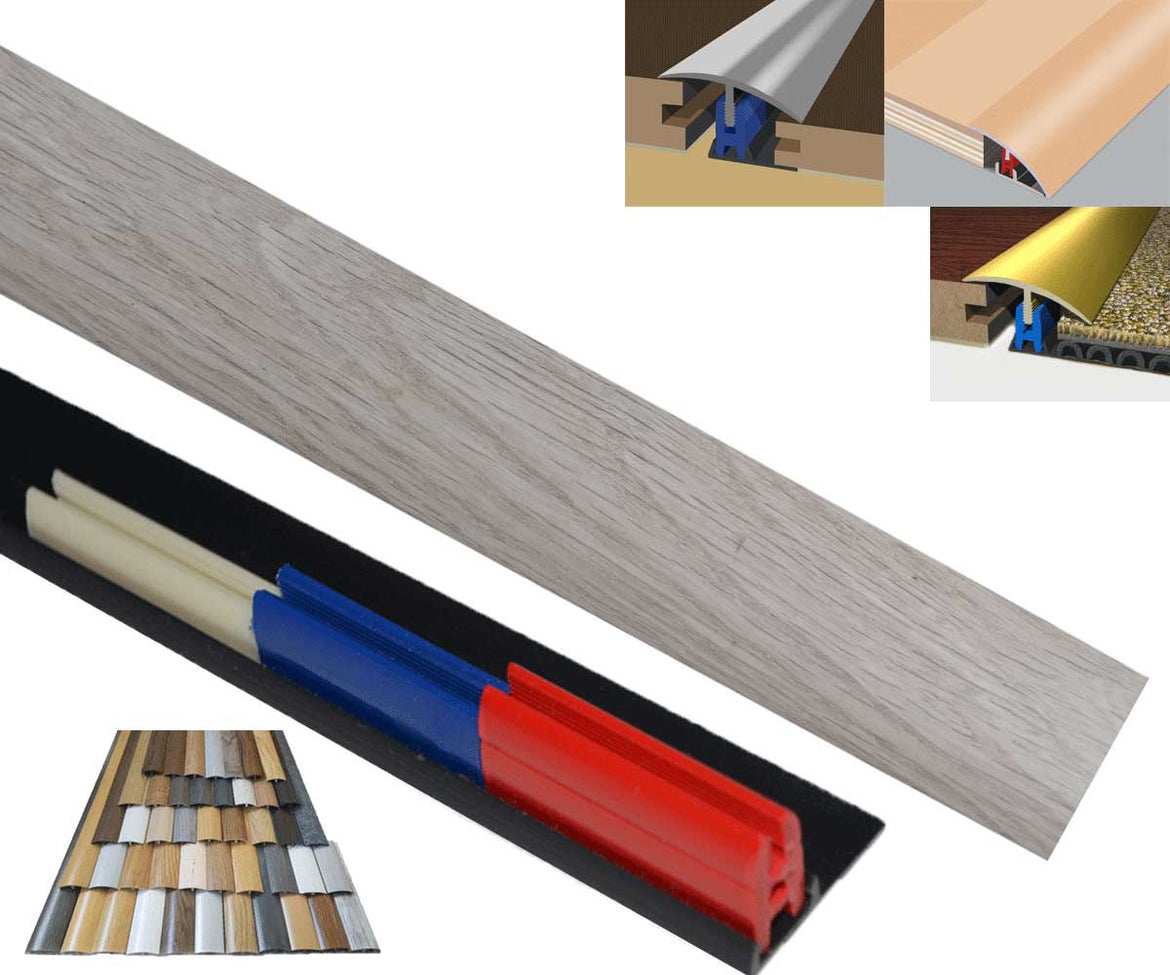
A door threshold is the strip fitted at the bottom of a doorway where two flooring surfaces meet. Thresholds are commonly used to:
- Cover expansion gaps
- Join different flooring types
- Protect floor edges
- Reduce draughts
- Improve the finished appearance
Thresholds can be made from:
- Aluminium
- PVC
- Wood-effect plastic
- Solid wood
- Rubber or flexible materials
When installed correctly, thresholds should provide a smooth and safe transition between floors.
Can a Door Threshold Become a Tripping Hazard?
Yes.
A poorly designed or damaged threshold can easily create a raised edge that catches shoes, walking aids, trolleys, or wheels.
Trip hazards are more likely when:
- The threshold sits too high
- Edges become loose or lifted
- Flooring levels are uneven
- The profile is too steep
- The threshold becomes damaged or warped
Even small height differences can become dangerous in busy areas of the home.
What Threshold Height Is Considered Safe?
There is no single universal height for all thresholds, but in general:
- Lower-profile thresholds are safer
- Gradual slopes reduce trip risks
- Smooth transitions are easier to walk across
Problems often occur when thresholds create abrupt level changes between flooring surfaces.
Extra caution is important in:
- Hallways
- Doorways used frequently
- Homes with elderly residents
- Wheelchair-accessible areas
- Commercial environments
Modern low-profile and ramped threshold systems are specifically designed to reduce trip hazards.
Common Causes of Unsafe Door Thresholds
1. Uneven Floor Heights
One of the biggest causes of trip hazards is a large difference between adjoining floor levels.
For example:
- Tile meeting laminate
- Carpet meeting vinyl
- New flooring installed over old floors
If the threshold profile is not suitable for the height difference, the edge can become awkward and unsafe.
2. Loose Thresholds
Thresholds that move underfoot are extremely dangerous.
Loose fixings can cause:
- Raised corners
- Sudden movement
- Lifting edges
- Cracking
This is especially common with older screw-fixed thresholds or poorly bonded adhesive systems.
3. Warped or Damaged Thresholds
Over time, thresholds can:
- Warp
- Crack
- Dent
- Lift
- Split
Damaged edges increase the chance of catching footwear or wheels.
PVC thresholds may crack under heavy loads, while wood thresholds can swell or rot if exposed to moisture.
4. Incorrect Threshold Type
Using the wrong threshold profile for the flooring transition can create unsafe step-ups or unstable edges.
Different flooring combinations require different threshold types, such as:
- Equal-height transition strips
- Ramp profiles
- Reducer thresholds
- Flexible transition systems
Choosing the correct profile is essential for safety.
5. Poor Installation
Even a high-quality threshold can become hazardous if installed incorrectly.
Common installation mistakes include:
- Incorrect measuring
- Uneven fixing
- Insufficient support underneath
- Overtightened screws causing distortion
- Failing to account for floor movement
A badly fitted threshold may start lifting within months.
Who Is Most at Risk from Threshold Trip Hazards?
Some people are more vulnerable to threshold-related accidents, including:
- Elderly individuals
- Young children
- People with mobility issues
- Wheelchair users
- Anyone carrying heavy items
In commercial spaces, unsafe thresholds may also create liability and health-and-safety concerns.
Signs Your Door Threshold May Be Unsafe
Raised Edges
If the edge catches your shoe while walking, it may already be unsafe.
Movement Underfoot
Thresholds should feel solid and secure.
Any movement could indicate:
- Loose fixings
- Adhesive failure
- Subfloor movement
Visible Damage
Look for:
- Cracks
- Chips
- Warping
- Missing sections
- Sharp edges
These can quickly worsen over time.
Difficulty Moving Wheels Across
If trolleys, pushchairs, wheelchairs, or vacuum cleaners struggle to cross the threshold smoothly, the profile may be too high or uneven.
Gaps Around the Threshold
Visible gaps can indicate movement or poor installation and may increase the risk of trips.
How to Make a Door Threshold Safer
Replace High or Damaged Thresholds
Modern thresholds are available in:
- Low-profile designs
- Flexible profiles
- Gradual ramp systems
- Hidden-fix systems
Replacing an outdated threshold can significantly improve safety, see how to install a door threshold.
Choose the Correct Profile
Match the threshold to:
- Floor height differences
- Flooring type
- Traffic level
- Accessibility needs
Reducer or ramp profiles are often safer for uneven floors.
Ensure Proper Installation
Correct fitting helps prevent:
- Movement
- Lifting
- Warping
- Premature wear
Professional installation may be worthwhile for difficult floor transitions.
Inspect Thresholds Regularly
Check thresholds periodically for:
- Loose edges
- Wear
- Cracking
- Moisture damage
Catching small problems early can prevent accidents later.
Are Low-Profile Thresholds Better?
In many cases, yes.
Low-profile thresholds are generally:
- Easier to walk across
- Safer for wheeled access
- Less noticeable visually
- More modern in appearance
However, the best threshold depends on the flooring transition and the environment.
Some situations still require heavier-duty or reducer-style profiles.
Final Thoughts
A door threshold should create a smooth, secure transition between flooring surfaces — not become a safety risk.
If your threshold is:
- Loose
- Raised
- Damaged
- Uneven
- Difficult to cross safely
it may already be a tripping hazard.
Modern threshold systems are designed to improve both appearance and safety, with lower profiles, smoother transitions, and more secure fixing methods.
Replacing an unsafe threshold is often a simple upgrade that can help reduce accidents, improve accessibility, and protect your flooring for years to come.