



How to Hide the Expansion Gap Around Laminate Flooring
How to Hide the Expansion Gap Around Laminate Flooring (Complete Guide)

When installing laminate flooring, one of the most important steps is leaving an expansion gap around the perimeter of the room. This small gap allows the flooring to expand and contract naturally as temperatures and humidity levels change.
While the expansion gap is essential for the long-term performance of your floor, it can leave an unsightly space between the laminate flooring and skirting boards. Fortunately, there are several effective ways to hide the expansion gap while maintaining a professional finish.
In this guide, we'll explain how to hide laminate flooring expansion gaps correctly and explore the best finishing options available.
What Is a Laminate Flooring Expansion Gap?
A laminate flooring expansion gap is a small space left between the edge of the flooring and surrounding walls, skirting boards, door frames, and fixed objects.
Most flooring manufacturers recommend leaving an expansion gap of approximately 8-10mm around the entire room. This allows the floor to move naturally without causing:
-
Buckling
-
Lifting
-
Warping
-
Joint separation
-
Edge damage
If you're unsure why expansion gaps are so important, read our guide on How to Cover Laminate Expansion Gaps.
Why You Should Never Leave Expansion Gaps Visible
Although expansion gaps serve an important purpose, leaving them exposed can create several problems:
Poor Appearance
Visible gaps can make even a high-quality flooring installation look unfinished.
Dirt Collection
Dust, pet hair, and debris often accumulate around exposed flooring edges.
Edge Damage
Unprotected laminate edges are vulnerable to knocks, chips, and moisture ingress.
Reduced Property Appeal
A professionally finished floor can significantly improve the overall appearance of a room.
For this reason, expansion gaps should always be covered using the correct flooring trim.
Best Ways to Hide an Expansion Gap Around Laminate Flooring
1. Install a Floor Edge Trim
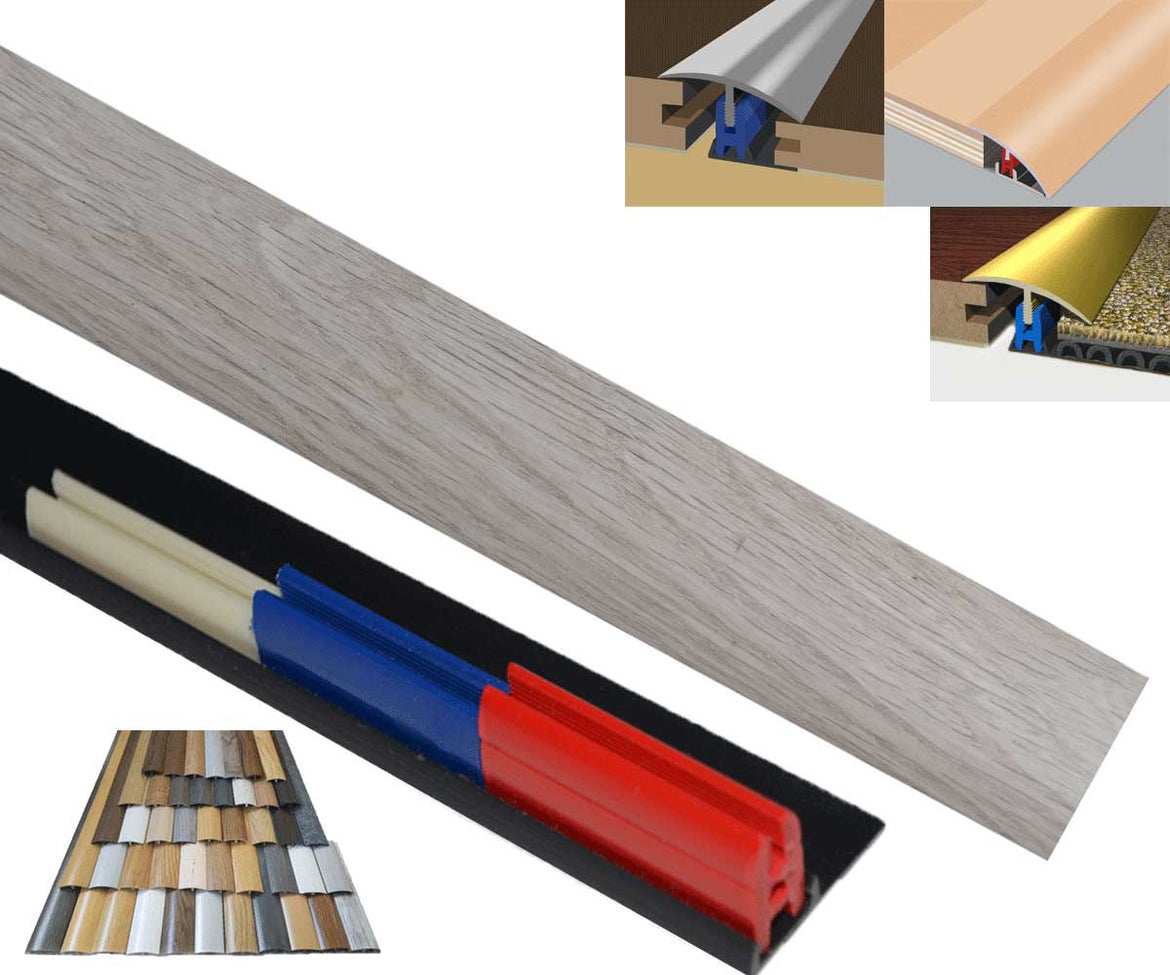
One of the simplest and most modern ways to hide an expansion gap is with a floor edge trim.
Unlike traditional beading, a floor edge trim sits neatly over the expansion gap while maintaining the flooring's ability to move underneath.
Benefits include:
-
Quick installation
-
No visible fixings
-
Clean modern appearance
-
Covers uneven skirting imperfections
-
Protects flooring edges
Floor edge trims are particularly popular with homeowners looking for a cleaner alternative to traditional scotia beading.
For a more detailed explanation, read:
Floor Edge Trim – The Simple Way to Fill the Gap Between Floor and Skirting
2. Use Scotia Beading
Scotia beading, sometimes called quadrant trim, is one of the most common methods used to cover laminate flooring expansion gaps.
The trim is fitted along the bottom of the skirting board and overlaps the expansion gap.
Advantages:
-
Widely available
-
Affordable
-
Suitable for existing skirting boards
Disadvantages:
-
Can appear bulky
-
Requires careful cutting
-
Often needs pinning or adhesive
Many homeowners are now choosing floor edge trims as a more discreet alternative.
3. Refit the Skirting Boards
If you're installing new flooring during a renovation, removing and refitting the skirting boards can create the cleanest finish.
The laminate flooring is installed beneath the skirting line, hiding the expansion gap completely.
Benefits include:
-
Premium appearance
-
No additional trims required
-
Seamless finish
However, this option requires significantly more work than using a floor edge trim.
4. Install Threshold Strips in Doorways
Expansion gaps aren't just found around walls. Doorways also require expansion spaces where flooring transitions occur.
Door threshold strips are designed to:
-
Cover expansion gaps
-
Protect flooring edges
-
Create smooth transitions
-
Reduce trip hazards
If your flooring meets another floor type, our guide on How to Join Two Different Floors in a Doorway explains the best threshold options available.
Common Expansion Gap Mistakes to Avoid
Fixing Trims to the Floor
Flooring trims should never restrict the natural movement of laminate flooring.
Always attach trims to the wall, skirting board, or appropriate fixing system rather than directly fixing through the laminate.
Filling the Gap with Silicone
A common mistake is sealing the expansion gap with silicone.
This prevents natural movement and can lead to buckling or lifting.
Leaving Gaps Too Small
Insufficient expansion gaps are one of the most common causes of laminate flooring failure.
Always follow the flooring manufacturer's recommendations.
Using the Wrong Trim
Not all flooring trims are designed to cover expansion gaps.
Choosing purpose-designed floor edge trims ensures the gap remains concealed while allowing movement underneath.
Floor Edge Trim vs Traditional Beading
Many homeowners now prefer floor edge trims because they provide a cleaner, more contemporary finish than traditional scotia beading.
Floor edge trims:
-
Sit flatter against the floor
-
Require no pins or nails
-
Hide adhesive systems
-
Accommodate minor skirting imperfections
-
Deliver a modern appearance
Traditional beading remains a popular choice, but floor edge trims are becoming increasingly common in modern laminate flooring installations.
Final Thoughts
Every laminate floor needs an expansion gap, but that doesn't mean it has to remain visible.
Whether you choose skirting boards, scotia beading, threshold strips, or a modern floor edge trim, the goal is the same: protect the flooring while creating a clean, professional finish.
For many homeowners, floor edge trims offer the perfect balance of appearance, ease of installation, and long-term performance. They neatly conceal expansion gaps, protect flooring edges, and provide a stylish alternative to traditional beading.
If you're looking for a quick and professional way to finish your laminate flooring installation, floor edge trims provide one of the simplest solutions available today.