



Laminate Floor Expansion Gap Guide: Why It Matters and How to Get It Right

Laminate Floor Expansion Gap Guide: Why It Matters and How to Get It Right
Laminate flooring is designed to be durable, stylish, and easy to install, making it one of the most popular flooring choices in homes and commercial spaces. However, one critical detail that is often overlooked during installation is the expansion gap. Without the correct gap around the edges of your laminate floor, the boards can buckle, lift, or become damaged over time.
This laminate floor expansion gap guide explains what an expansion gap is, why it’s essential, and how to ensure your flooring is installed correctly for long-term performance.
What Is a Laminate Floor Expansion Gap?
An expansion gap is the small space left between the laminate flooring and the surrounding walls or fixed objects such as door frames, kitchen units, and pipes. This gap allows the flooring to naturally expand and contract as temperature and humidity levels change.
Laminate flooring is made from composite wood materials that react to environmental conditions. When humidity increases, the boards expand slightly. When the air becomes dry, they contract. Without a gap to accommodate this movement, the pressure between the boards and surrounding structures can cause the floor to push upward or separate.
Most manufacturers recommend leaving an expansion gap of approximately 8–10mm around the perimeter of the room, although this can vary depending on the product and room size.
Why Expansion Gaps Are Essential
Leaving the correct expansion gap is one of the most important steps in laminate floor installation. It protects the structural integrity and appearance of the flooring over time.
Prevents Buckling and Warping
When laminate boards have no room to expand, they push against each other and the surrounding walls. This pressure can cause the floor to lift or buckle in the centre of the room, which is one of the most common laminate flooring issues.
Maintains Floor Stability
Expansion gaps allow the floor to move naturally without creating stress within the locking system of the boards. This keeps the click-lock joints secure and stable.
Protects the Installation Warranty
Many laminate flooring manufacturers state clearly that failure to leave the correct expansion gap can void the product warranty. Following recommended installation guidelines ensures your floor remains covered.
Improves Long-Term Durability
Proper spacing helps prevent long-term damage such as board separation, edge lifting, or joint failure. A correctly installed floor will last significantly longer and maintain its appearance.
Where Expansion Gaps Are Required
Expansion gaps should be left around all fixed objects that the floor cannot move under or around.
Common locations include:
-
Along all walls
-
Around door frames and architraves
-
Next to kitchen cabinets and islands
-
Around radiator pipes
-
Along stair edges
-
At transitions between rooms
-
Around fireplaces or fixed structures
In larger rooms or open-plan spaces, additional expansion joints may be required to manage movement across a wider floor area.
How to Create the Correct Expansion Gap
Creating a consistent expansion gap during installation is straightforward with the right approach.
Use Flooring Spacers
Flooring spacers are small plastic wedges placed between the laminate boards and the wall during installation. They help maintain a consistent gap of 8–10mm around the room while you install the floor.
Start Along the Longest Wall
Most installers begin laying laminate flooring along the longest straight wall in the room. Spacers are placed along this wall first to establish the expansion gap before installing additional rows.
Continue the Gap Around the Entire Room
As you work around the room, continue placing spacers wherever the flooring meets a wall or fixed structure. This ensures the gap remains uniform throughout the installation.
Remove Spacers After Installation
Once the laminate floor is fully installed, the spacers can be removed. The expansion gap will remain hidden once finishing trims are fitted.
How to Cover Expansion Gaps
Although expansion gaps are necessary, they should not be visible in the finished installation. Instead, they are covered using trims or mouldings designed specifically for flooring transitions.
Common solutions include:
Skirting Boards
Traditional skirting boards are the most common way to conceal expansion gaps along walls. The laminate floor is installed up to the skirting while maintaining the gap underneath.
Scotia Beading (Quarter Round Trim)
Scotia beading is used when existing skirting boards remain in place. It sits in front of the gap to neatly conceal it while allowing the floor to move.
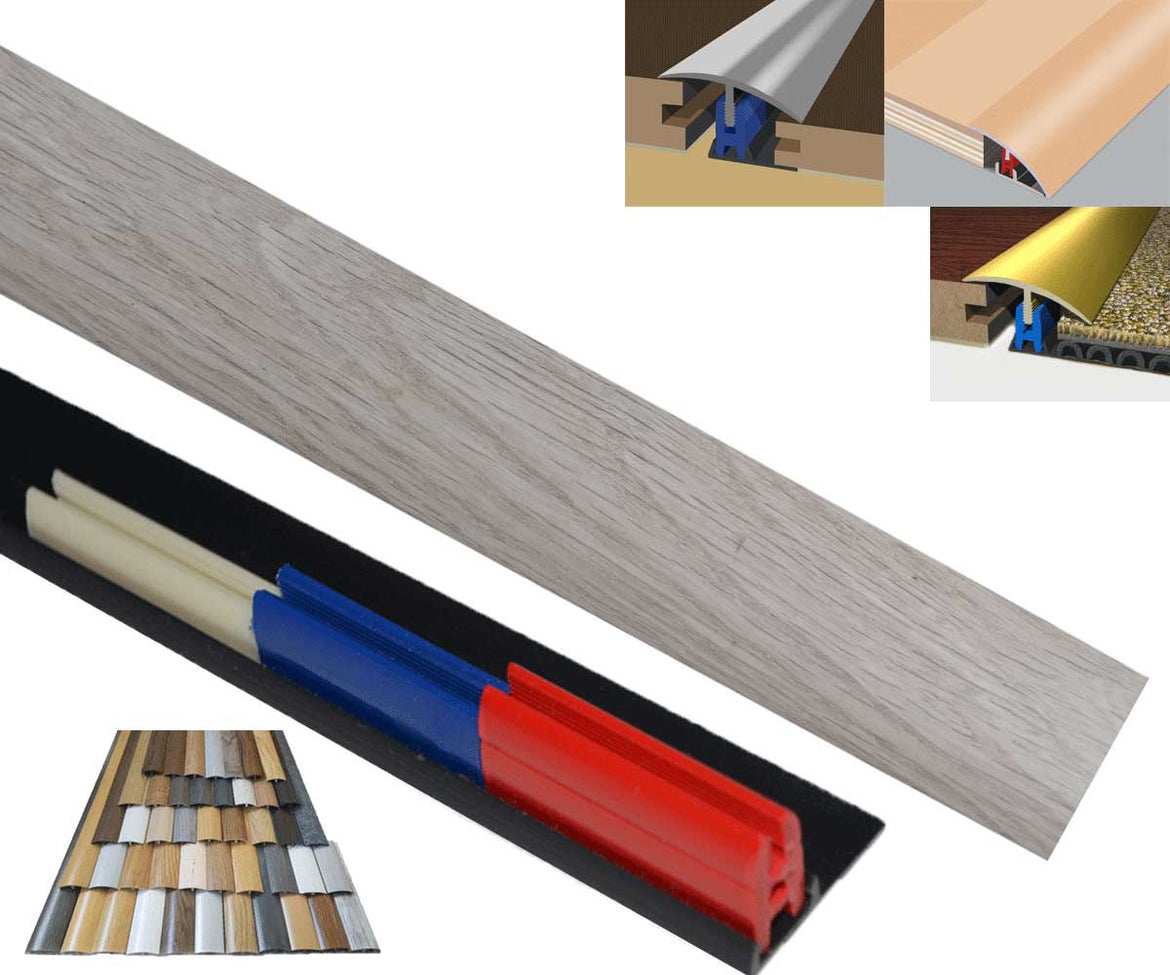
Door Threshold Strips
At doorways or transitions between rooms, threshold strips cover the expansion gap while providing a smooth transition between flooring surfaces.
These finishing elements ensure the floor looks clean and professional while maintaining the necessary space for movement.
What Happens If There Is No Expansion Gap?
If laminate flooring is installed without adequate expansion gaps, problems often appear within a few months.
The most common issues include:
-
Flooring lifting in the centre of the room
-
Boards separating or cracking
-
Creaking noises when walking on the floor
-
Pressure against door frames or walls
-
Visible joint damage
In many cases, the only solution is to remove sections of flooring and re-cut the edges to recreate the expansion gap, which can be both time-consuming and costly.
Final Thoughts
An expansion gap may seem like a small detail, but it plays a major role in the performance of laminate flooring. By leaving a consistent gap around walls, doorways, and fixed objects, you allow the floor to expand and contract naturally with changes in temperature and humidity.
Using spacers during installation, following manufacturer guidelines, and covering the gap with appropriate trims ensures a professional finish while protecting the floor from long-term damage.
Whether you're installing laminate flooring in a single room or throughout an entire home, taking the time to create the correct expansion gap will help ensure your floor remains stable, attractive, and durable for years to come.